The Reality of Creating as a Mom
One of the things that can be challenging, especially as a mom, is finding the time to sit down.
Period. That was the end of the sentence, no matter how much Grammarly argues that I should add “and relax” to the end of it.
It’s hard to find time to sit down. It’s harder to find time to sit down and write whether that’s on paper or typing on a computer.
And there’s a lot in my brain.
I’m trying to find a job. I’m trying to be a good parent, one that sees my daughter’s emotional needs, and validates her.
I’m creating content. I’m keeping up with the house (sort of), keeping up with meals, and fifty other projects because I don’t sit still well.
I drove to the veterinarian while talking this post out loud.
Multi-tasking is this dirty word in productivity. But sometimes, you’ve just got to batch some tasks together and get over it.
Just batch it.
If you can do it and you can do it safely, then why not?
My Voice Note System
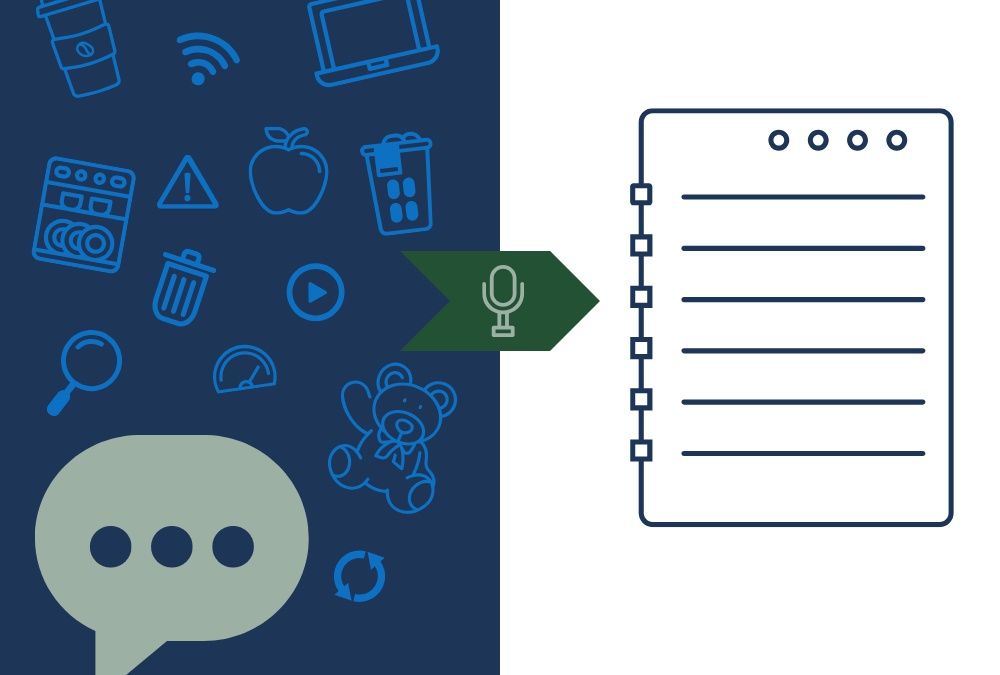
Voice notes while driving alone are how I’m getting things out of my head and into the world.
I hit record before I start and I never have to look at my phone again until I get to my destination and stop the recording. It’s magical.
I’ve talked through attribution projects that I’ve worked on. I’ve talked through potty training struggles. I have talked through repairing relationships, specifically parenting mistakes that we all make.
I’ve talked through a bunch of things, and when you’re talking just off the cuff, you can have some insights that you didn’t know were there.
Connections pop up that might not come through when you’re staring at a blank page.
Why Talking Feels More Natural Than Writing
I think for a lot of us, talking is easier than writing. Writing is not natural to humans, which sounds bizarre to say, because we teach ourselves and our children how to write. But it’s a system we created and have refined from there. So talking, telling stories, these kind of things are more natural to us and easier to do.
Being out and about having a conversation—it’s almost like leaving a voice note for my best friend, who gets millions of voice notes from me all day long. She puts up with when I’ve forgotten I’ve already told her a story, and then I’ve told her again. Or when I go on a five minute rant about something silly, like daycare or whatever it might be going on.
I want my writing to sound like me—to capture my tone of voice and my cadence. It’s why I don’t use AI to write my posts from scratch. It can help me refine and make things clearer, but it’s me that others want to hear from and not our robot friends.
The Raw, Unfiltered Power of Voice
It also gives things kind of a nice, raw, unfiltered feeling.
There’s no filtering it through the professional mind first. The mind that wants to use big words to sound more technical or complex.
Especially, when you’re writing something that is going to be part of a portfolio. But humans are the ones that need to read what you have to say!
It can’t stay as raw and unfiltered. I’m not going to go into Otter AI, export out my transcript and post that as is on a blog.
You’re going to see the messy middle if you do that, and it’s not going to be anything easy to read or digest or act on. And honestly, a lot of times it’ll be a bit unfinished. I might not get to the strongest conclusion from going that way.
Take this post for example, I got to the vet and turned off the recording before I could end it with any strength. Post as-is, and it’s going to fall flat.
How I Transform Voice Notes Into Content
My car ride to the vet was about 12 minutes—that’s a nice start to an article or group of articles.
Once I do get to my desktop, I’ll export out the transcript without time stamps or speaker names. Just the basics.
Then I’ll pop that into Claude.ai and say, “Okay, here’s my voice notes from today. Put them into an ugly first draft format for me with headings.” If I went all over the place and it’s not likely to work as one post, I’ll ask “what possibilities for posts are you seeing here?”
Depending on what tools you’re using, you can get vastly different responses to simple prompts like this one.
Getting the “Ugly First Draft”
It doesn’t have to stop with asking what ideas are worth diving into more.
Don’t do the manual work of putting your transcript into a format you can turn into a piece. Ask AI to put your words into an ugly first draft. I make sure to prompt with keeping my words and voice as much as possible here.
They’re my words. I spoke out loud for a dozen minutes, but I need my words to readable.
It cannot just be a chunk of text that is just hard to look at or hard to think through. I don’t want to look at that to reformat it, which I did back in the day.
My History with Manual Transcript Cleanup
Years ago, I did online tarot readings. Part of it was for fun and the other part was because I had a big goal of getting certified (spoiler alert: I did!). During that process I did a reading a day, just working on my skills and enjoying the process.
What I would do was record them with Otter AI, so that if the person wanted to listen, they could listen. But then if they wanted to read, they could read.
I would go and clean up the transcript manually. It was a bit painstaking. You start to become really aware of all the ums and ahs. After I cleaned them up and added photos of the cards, I’d provide them with the files so they could view it as they wanted to.
How AI Has Changed the Game
Now there’s a lot less manual work to it, because you can use AI to power some of these tasks that would be tedious. There is no need to do everything I did to clean up my old transcripts. At this point I can really say, “Give me that ugly first draft.”
On top of that, you get some valuable feedback upfront that helps with the rewrites.
When it comes back to me and says, this example feels off, or the conclusion isn’t there yet, it’s so valuable.
It’s even called out when I’ve gotten too technical. I’m not looking to make anyone cry with my techno-nerdy tendencies here, so that’s useful feedback!
I’m looking to make my writing accessible and useful to others. This way of writing takes some of the major pain points of getting started out of the way.
Finding My Voice and Breaking Through Excuses
That’s something that’s been super valuable to me as someone who is really creating my own content strategy for the first time.
I am so used to building for others. Setting up systems and processes to allow their voices to shine.
This is the first time that I’m putting my voice out into the world.
Being comfortable talking out loud and recording things—is only going to help me find my tone of voice. As well as what what those specific areas of expertise are going to be for me! Though I do have my inklings and clusters of knowledge that I want to weave in.
Using my voice and the tools that are available is helping me solidify and make the most of the time that I have. And honestly, I’ve made excuses for years as to why I’m not writing, or why I’m not building out a website.
I feel like I’ve failed at that a bunch, but here I am again. It’s always okay to try again.
And with the way things are now, there’s no excuses not to try. All those areas where there’s a lack of momentum—there’s a way to get past it and get those pieces of momentum.
The time is now. It really is now.
The Difference Between AI as Tool vs. AI as Brain
Sharing your unique voice is so important. There’s so much AI right now–which obviously I’m touting the power of AI in this article.
But there’s a difference in using AI as something to empower you and share your voice. It’s not about letting AI be your brain, your opinions, and your thoughts.
Let’s use it in a way that’s very strategic. Use it to synthesize, explain, put things into the wild that are valuable for other people to see and read.
That is incredibly empowering, and it feels like an obvious next step to me.
Beyond Traditional Journaling
It’s like journaling. And as someone who’s journaled for years, I can absolutely say that journaling by hand is powerful.
But there’s also something powerful about saying the words out loud that are on your heart and mind. Most of the time we’re keeping silent.
Maybe we sanitize what’s going on in our lives and leave out the messy middle, or maybe we’re not in a place to write at all.
I cannot write around my toddler.
She’s gonna want to be in my notebook. She’s gonna want me to draw her Cocomelon, and I am happy to stop and do that for her. She’s only going to be little for so long! But it means, I can’t focus on writing and I’m not going to try.
When I have these moments of quiet, I’m going to take that time to think out loud to my voice notes. Then when I do have the time to put it to paper, I’ll turn it into something that’s worth sharing.
No judgment on myself. Productivity tips be damned!
This is the way it’s got to be, and that’s what I’m going to do, as long as I need it to be a tool in my arsenal.
From Consuming to Creating
It is too easy to consume all the time, but I want to create more.
With the firehose that is our online society today, I don’t think it’s possible to create more than you consume. At least not without going to a dumb phone, and that’s not going to work in a world with daycare apps and 2-factor authentication.
So if you want to create too, here’s my challenge to you: Figure out how you can create on your own terms.
It doesn’t have to be my voice notes system. It could be videos, paper tools, art, or Canva. It doesn’t matter, but find something that gives you the ability to create.
And don’t judge it.
Sometimes it’s literally a 5-minute car ride with a voice note recording going on in the background. That’s five minutes where you can share yourself.
That’s five minutes you can reflect back to yourself what’s already in your mind and on your heart. If you’re not doing it for others, do it for you.
Use your voice. It’s all you after all.
Recent Comments